
In this guide
The short answer: cultural stereotypes can influence how drivers, witnesses, adjusters, and even jurors interpret a motorcycle crash. Objective evidence is the best answer to an assumption.
Bias can enter before the investigation begins
A rider may be described as speeding or taking risks simply because a motorcycle was involved. Meanwhile, common collision patterns—such as a driver turning left across a rider's path or changing lanes without seeing the bike—can be overlooked.
Physical evidence tells a more reliable story
- Vehicle and motorcycle damage patterns
- Debris, gouge marks, braking evidence, and final resting positions
- Traffic, dash, helmet, business, or residential video
- Electronic data and phone records when available
- Sight lines, lighting, weather, and roadway geometry
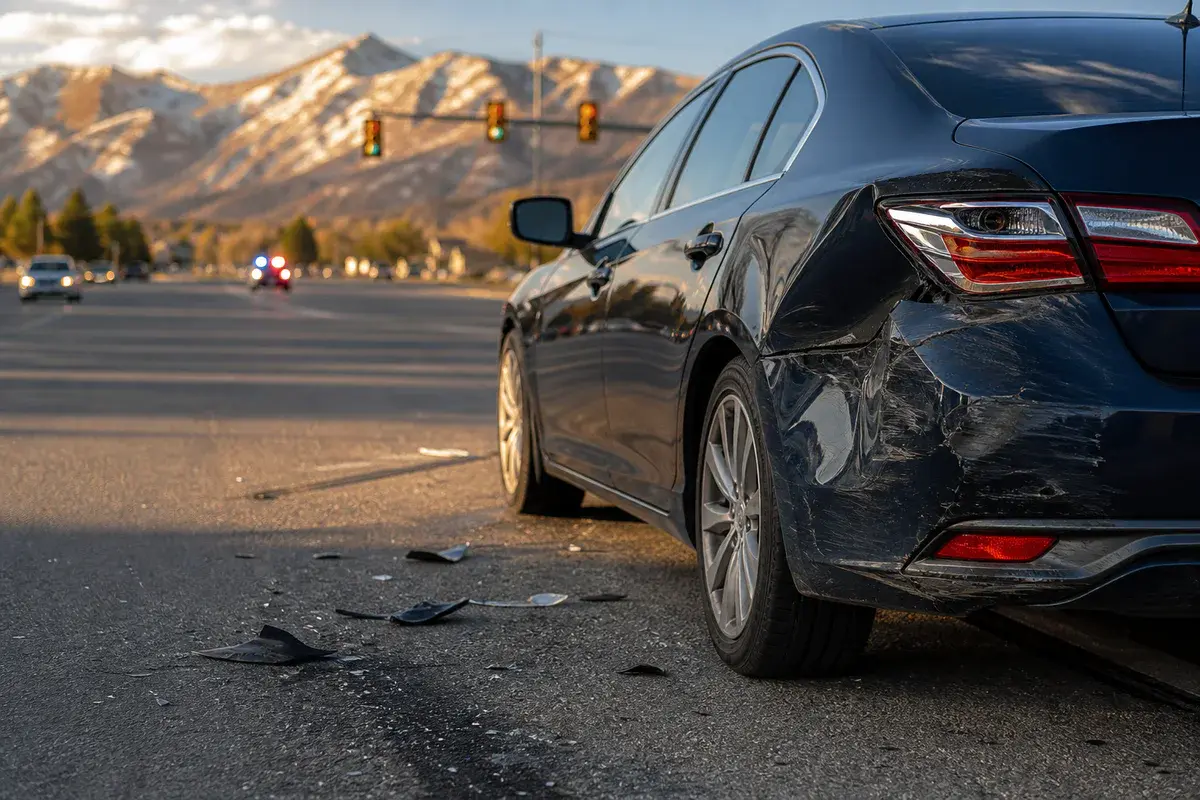
Photographing the full scene matters. A close-up of damage alone may not show distance, visibility, lane configuration, or traffic controls.
Witness wording needs context
People often remember the loudest or most dramatic moment rather than the full sequence. A careful interview explores where the witness stood, when they first looked, what was obstructed, and which sounds or movements drew attention.
Protective gear is not the same as crash causation
Insurers may focus on a helmet, clothing, or motorcycle type. Those facts can be relevant to particular injuries, but they do not automatically answer who violated the right of way or caused the collision.
Serious injuries require a future-focused claim
Motorcyclists have little physical protection, so injuries may involve surgery, scarring, nerve damage, traumatic brain injury, or long rehabilitation. The claim should not be valued before the future medical and vocational picture is reasonably understood.
Preserve the motorcycle and gear
Do not authorize disposal, destruction, or major repairs before the evidence is documented. Keep the motorcycle, helmet, clothing, electronics, maintenance records, receipts, and photographs available for review.
Editorial noteThis guide provides general information, not legal advice. Rights and deadlines depend on the facts, the parties involved, and current Utah law.